RTSA and CSR Network Zambia Join Forces to Enhance Road Safety Through Strategic Partnership

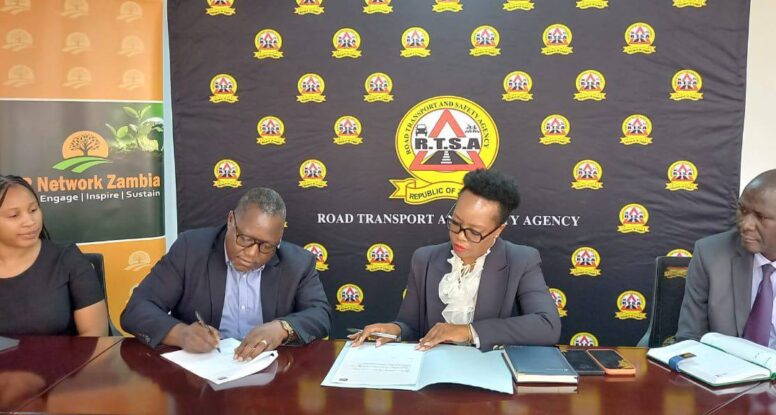
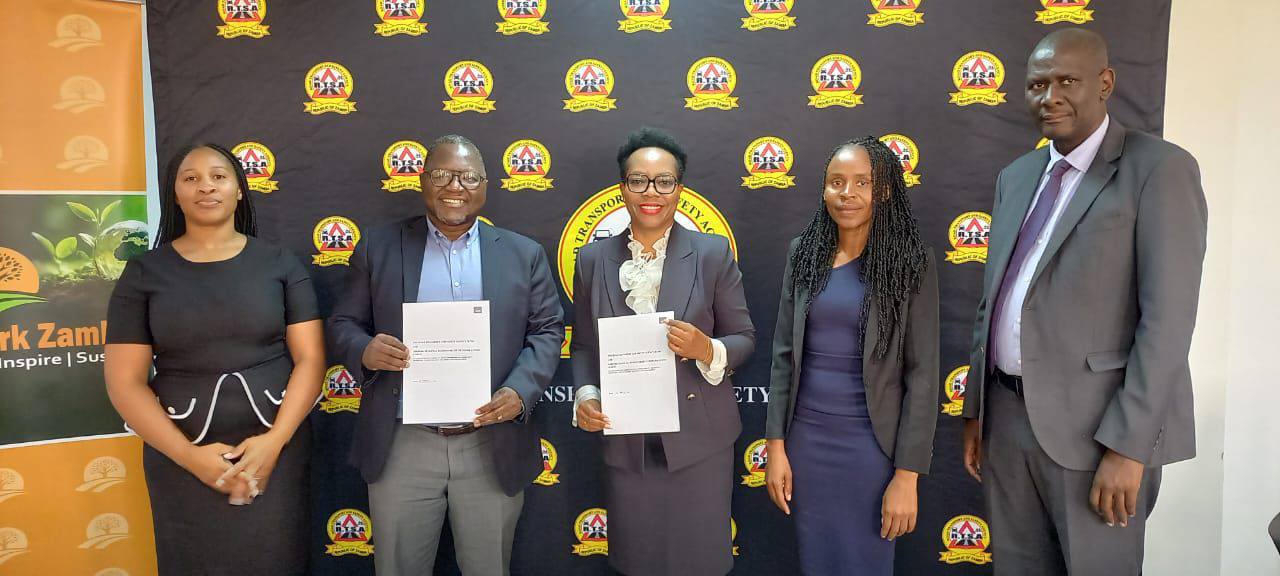
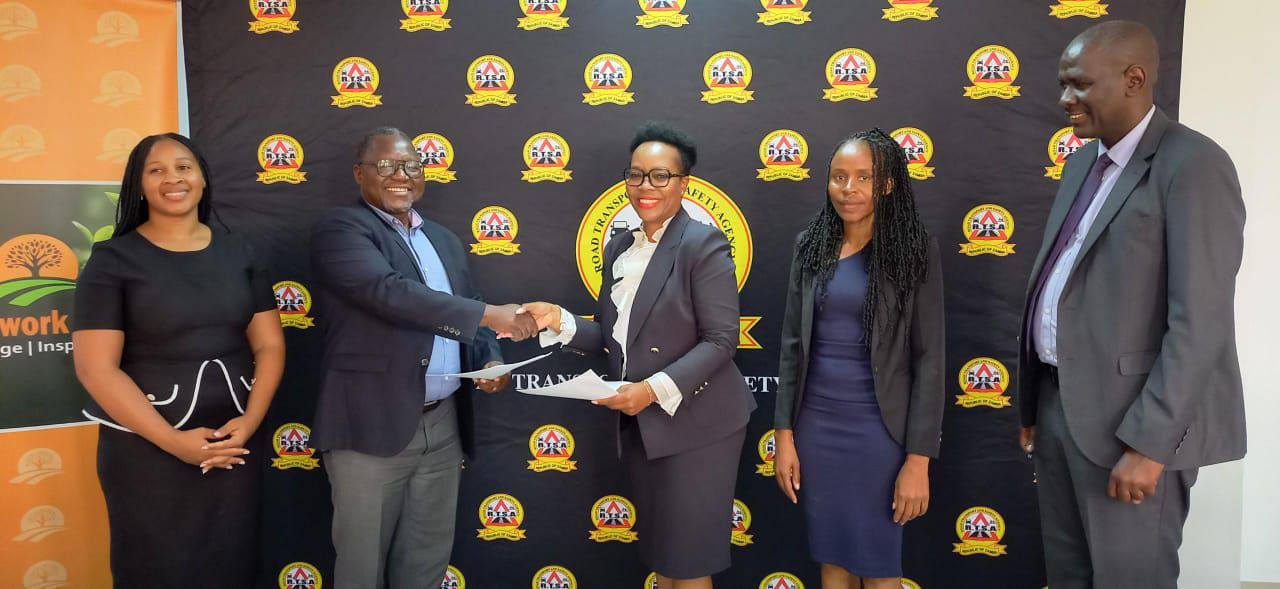
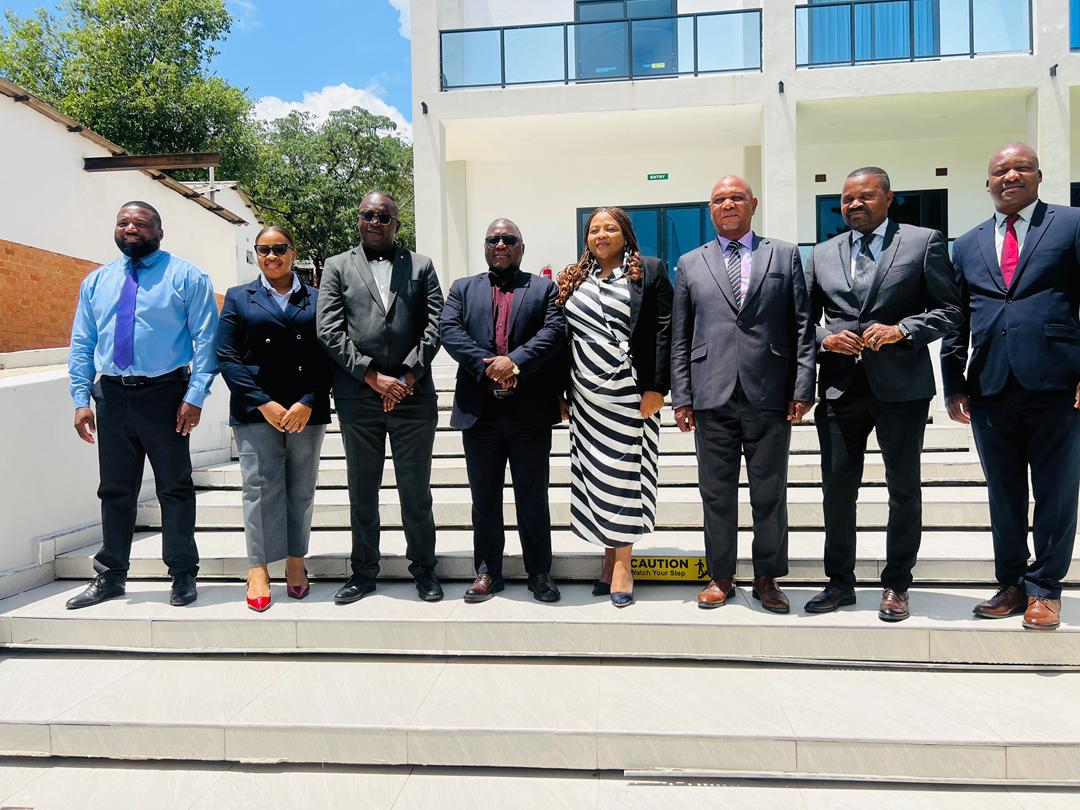
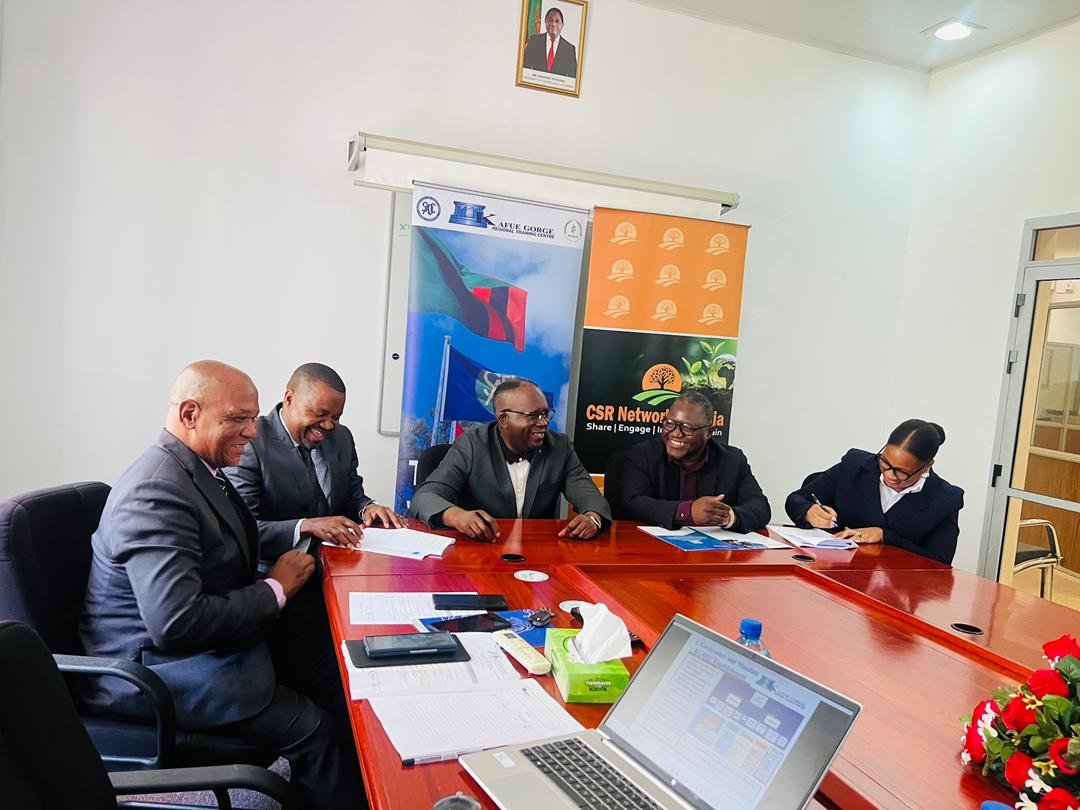
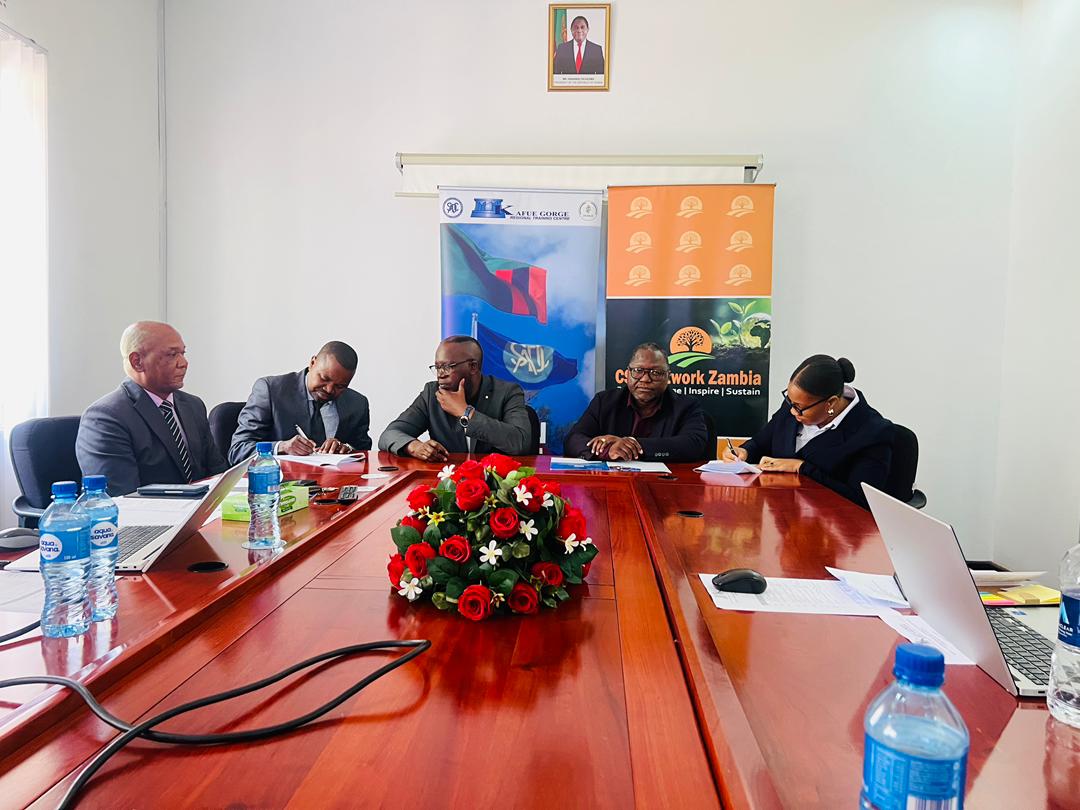
Lusaka, 13 April 2026 – In a step toward strengthening road safety in Zambia, the Road Transport and Safety Agency (RTSA) and the Corporate Social Responsibility Network Zambia (CSRNZ) have formalised a new strategic partnership. The Memorandum of Understanding (MoU) was officially signed on 13 April 2026 at Road Safety House in Lusaka.

The five-year agreement establishes a formal framework for collaboration aimed at using Corporate Social Responsibility as one of the building blocks to contribute to safer roads and a safer environment. The partnership will focus particularly on protecting vulnerable road users including children, pedestrians, and persons with disabilities.

The agreement was signed by Ms. Chilufya Mwelwa, RTSA Head of Public Relations, on behalf of the Agency, and Mr. Lee Muzala, Executive Director of CSR Network Zambia.

Speaking during the signing ceremony, Ms. Mwelwa emphasised the critical importance of reaching communities and school-going children with targeted safety education.

“We must ensure that communities and school-going children are educated on safety through awareness campaigns and the training of Traffic Stewards at school crossing points,” said Ms. Mwelwa.

She further called upon the corporate sector to join hands with RTSA in addressing critical infrastructure needs.

“We appeal to corporates to partner with us in putting up road signage and painting zebra crossings. These visible interventions save lives, particularly in high-traffic areas near schools and markets,” she added.

Mr. Lee Muzala, Executive Director of CSR Network Zambia, expressed enthusiasm about the partnership and reaffirmed his organisation’s commitment to delivering meaningful results.

“This is an exciting opportunity to partner with RTSA. CSR Network Zambia will do everything in its powers to help RTSA formulate impactful CSR initiatives in various ways,” said Mr. Muzala.

He noted that CSRNZ brings specialised technical expertise in CSR policy formulation, ESG frameworks, and multi-sectoral partnership design, which will be instrumental in developing high-impact programmes aligned with national development priorities.

The two organisations will work together on several fronts. These include developing and sharing road safety educational materials for schools and the general public, while also supporting school-based road safety clubs. They will carry out training programmes for road transport operators, first responders, and Traffic Stewards at school crossing points. Environmental sustainability efforts linked to RTSA’s work and national climate change priorities will also be part of the partnership. In addition, they will mobilise private sector resources to help put up road signage and paint zebra crossings. Finally, the partnership will create awards and platforms to recognise companies and individuals who make outstanding contributions to road safety.The MoU may be renewed by mutual agreement after its initial five-year term, ensuring a long-term commitment to safer roads for all Zambians.


About RTSA: The Road Transport and Safety Agency is a statutory body established under the Road Traffic Act No. 11 of 2002, mandated to implement Government policy on road transport, road safety, and traffic management in the Republic of Zambia.

About CSR Network Zambia: CSRNZ is the leading non-profit organisation dedicated to advancing Corporate Social Responsibility, Environmental, Social and Governance (ESG) principles, and sustainable business practices among public and private sector entities operating in Zambia.

For media enquiries:

RTSA: info@rtsa.org.zm

CSR Network Zambia: info@csrzambia.org

Directors’ CSR & ESG Roundtable: Zambian Business Leaders Chart a Path to Sustainable and Responsible Growth

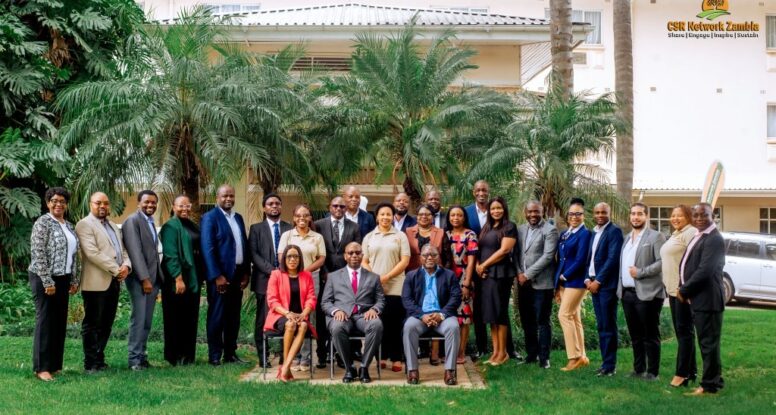
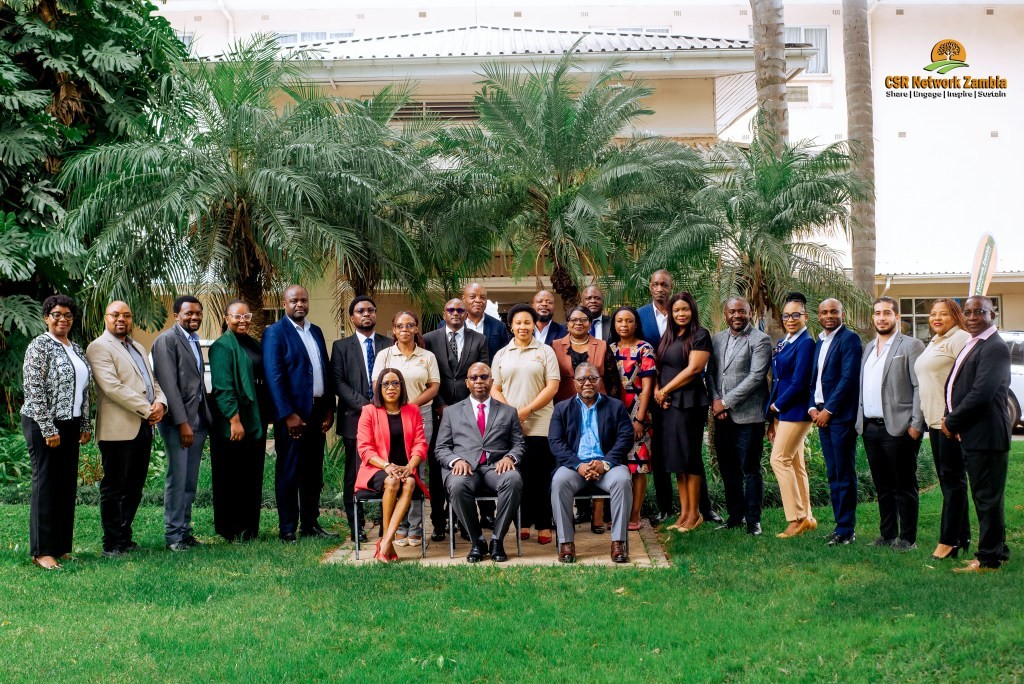
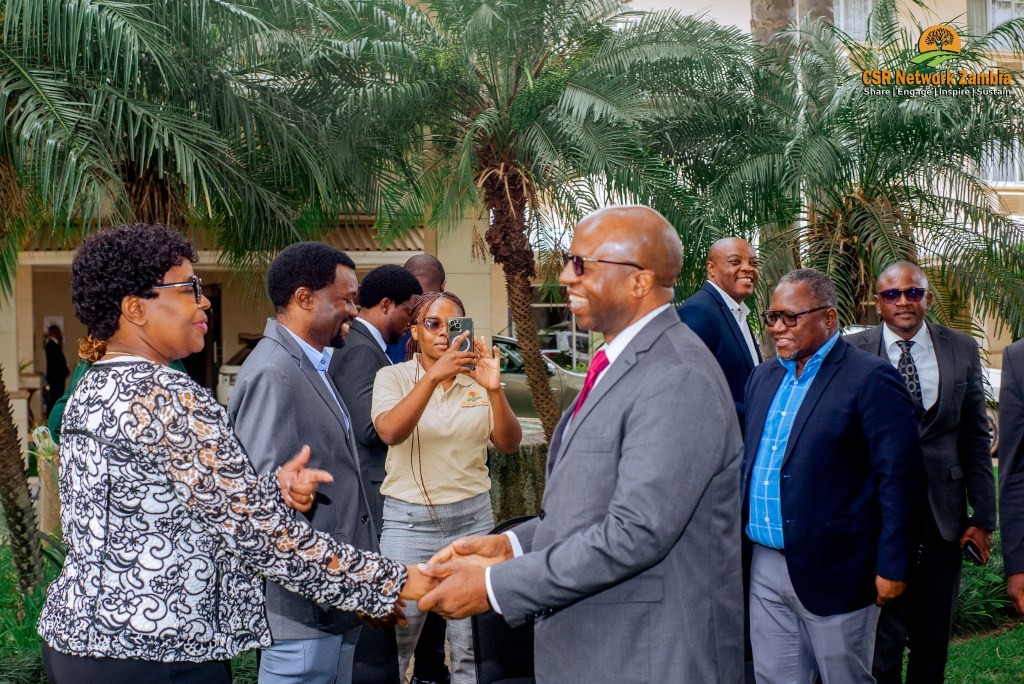
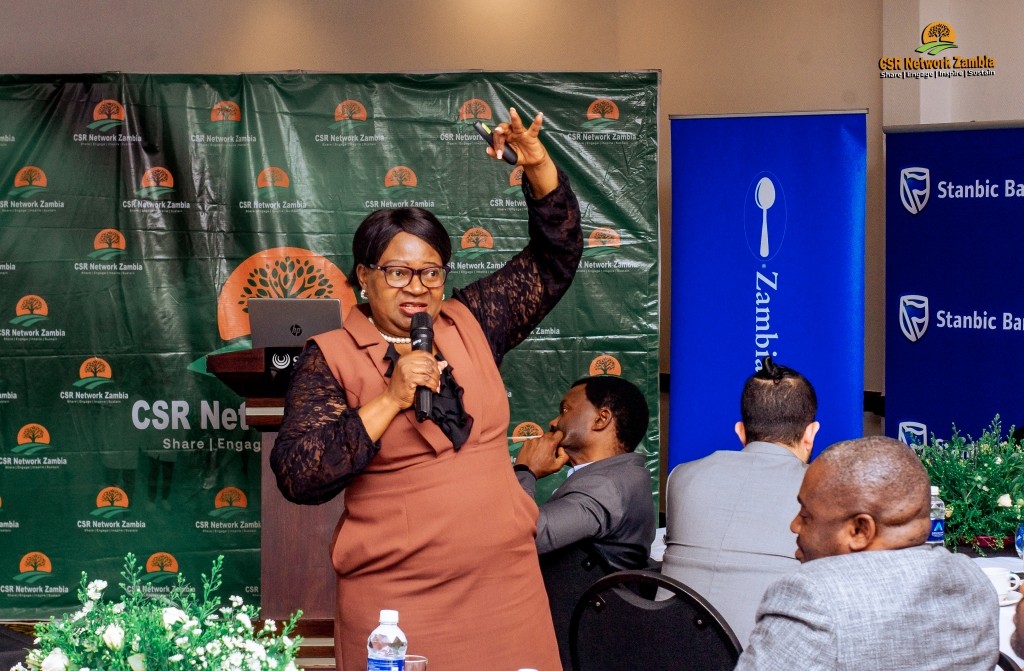
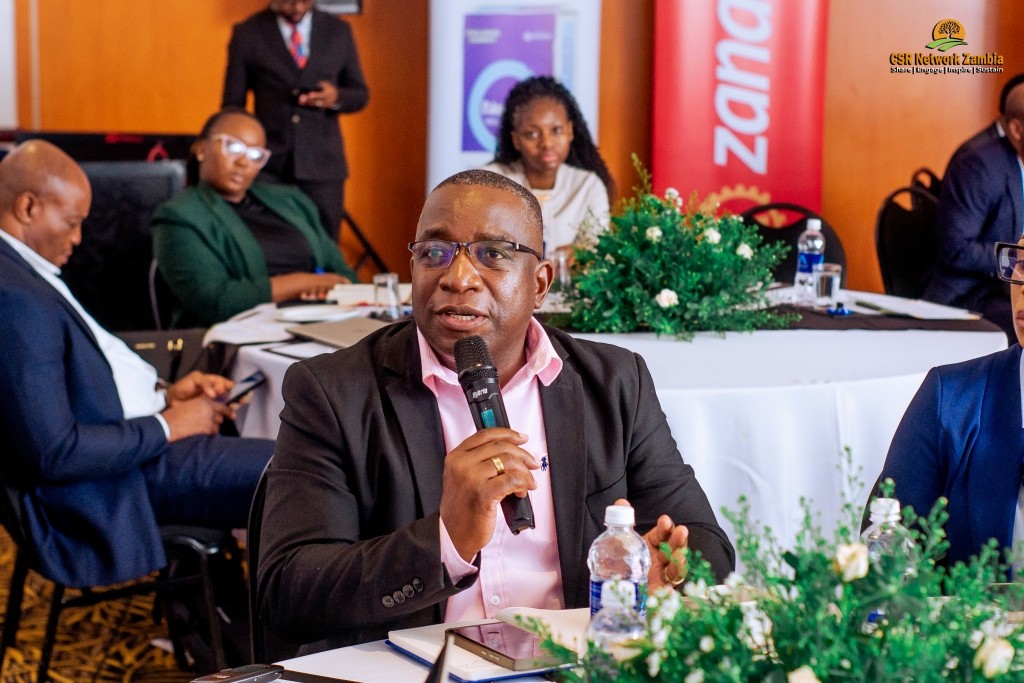
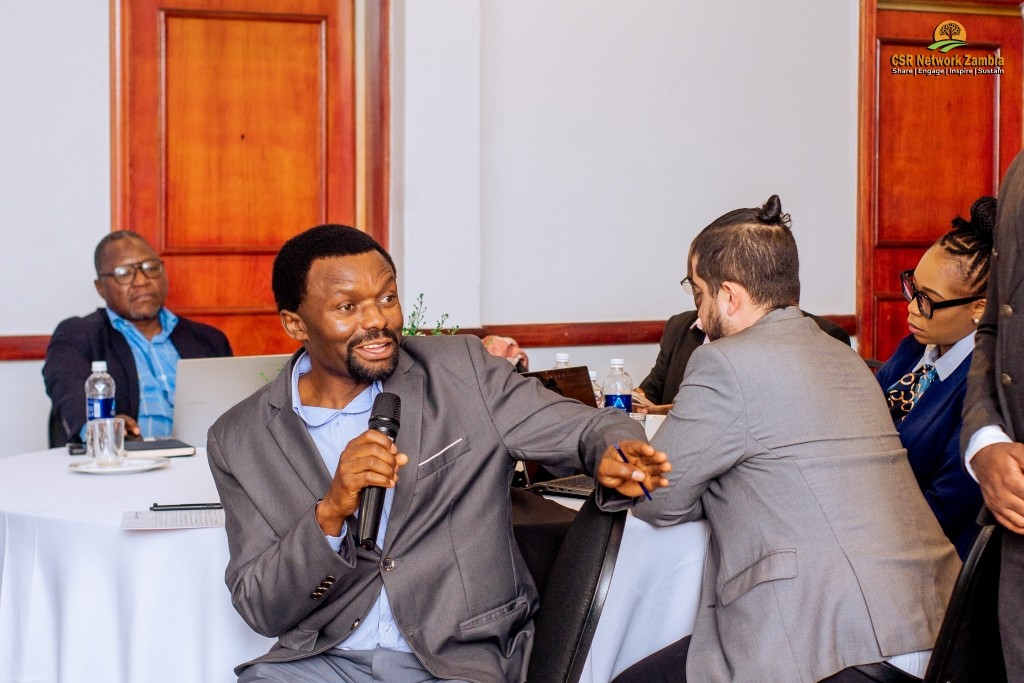
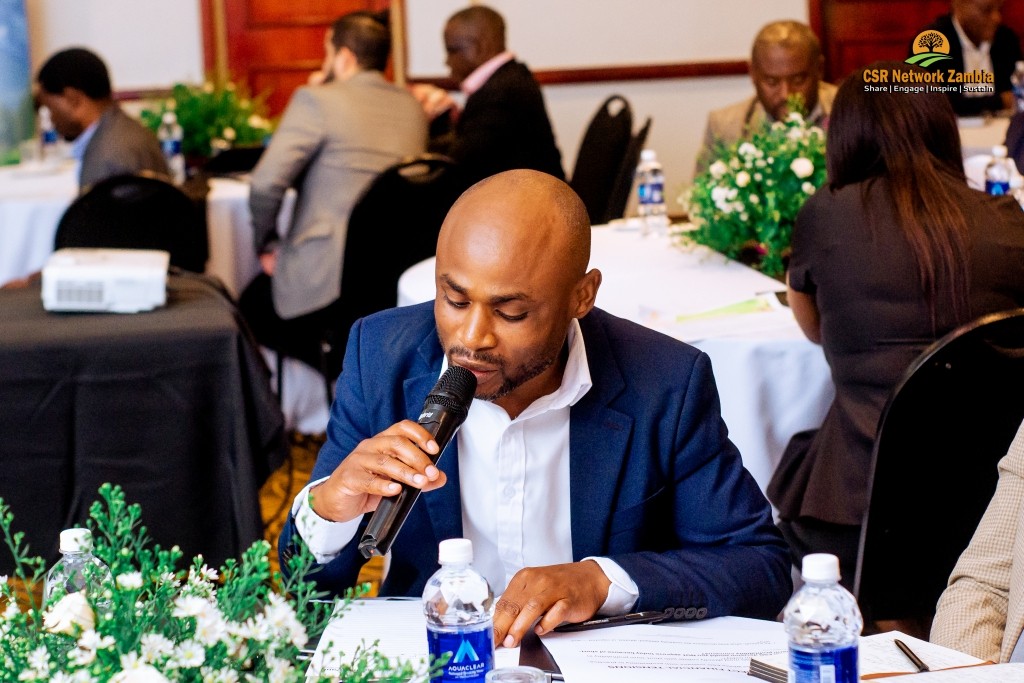
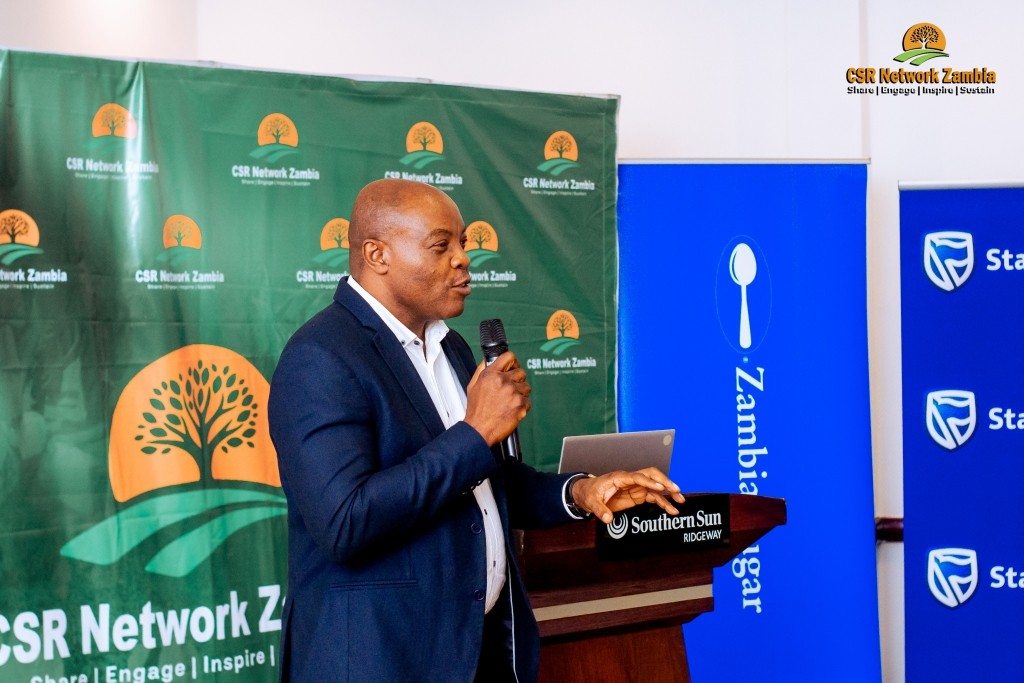
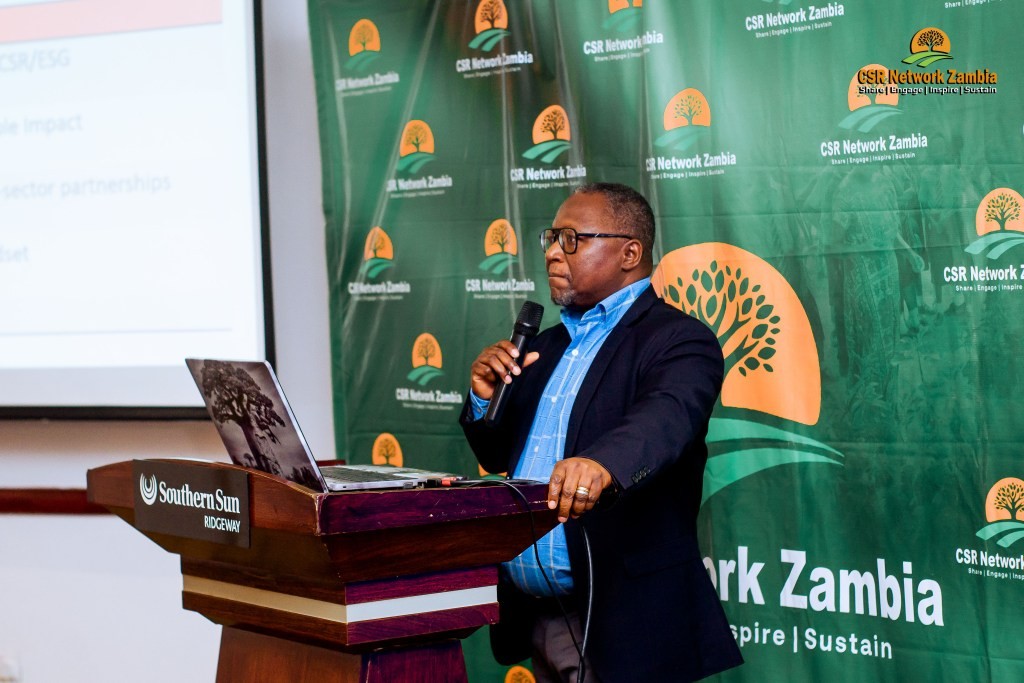
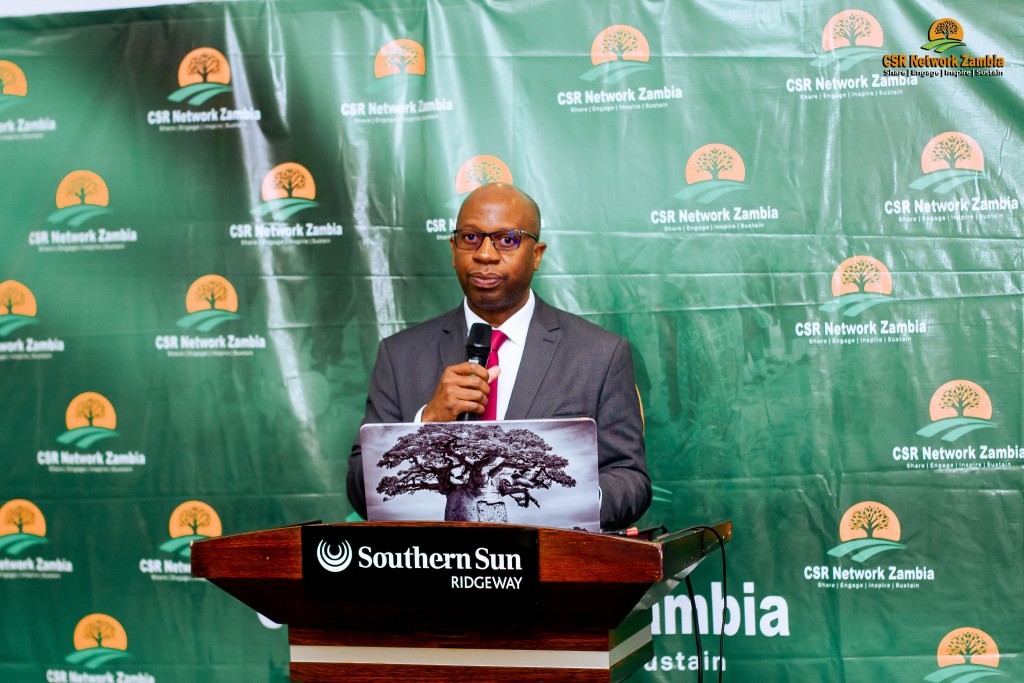
Lusaka, Zambia – 17th February 2026 – CSR Network Zambia today convened an exclusive Directors’ CSR & ESG Roundtable at the Southern Sun Hotel, bringing together a distinguished group of Chief Executive Officers, Board Chairpersons, Directors, and senior executives for a high-level dialogue on the future of responsible business in Zambia.

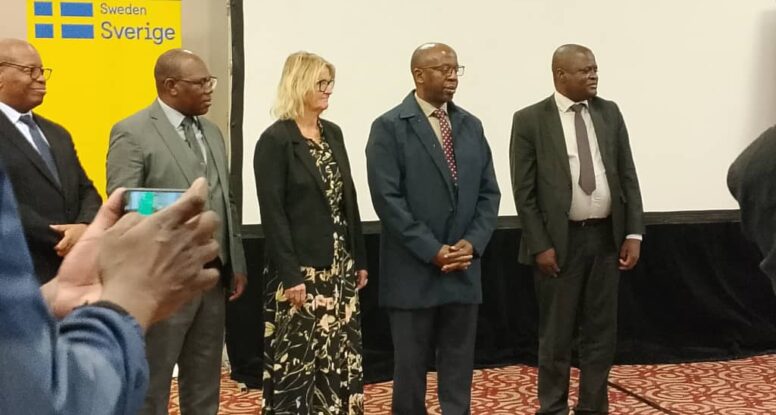
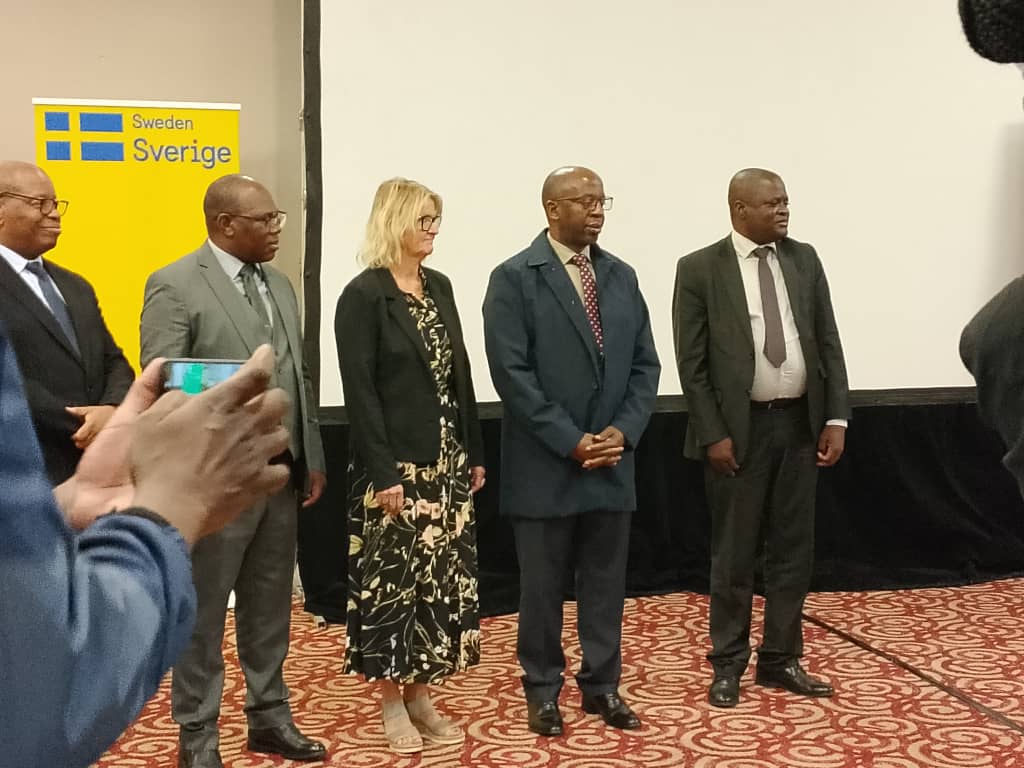
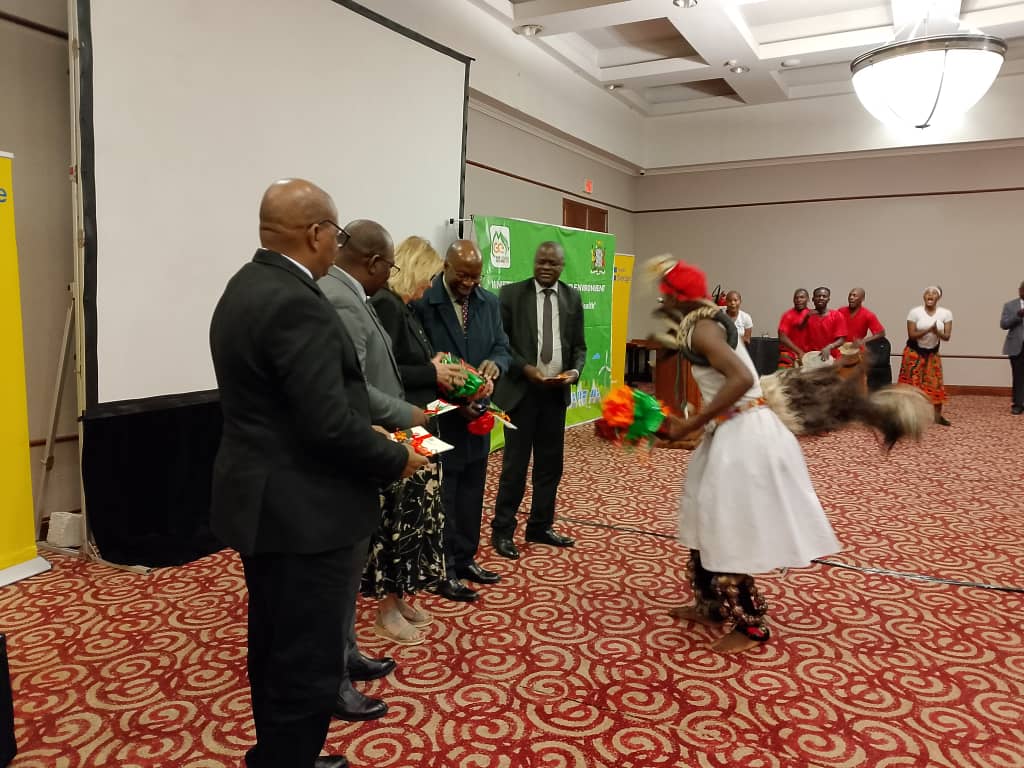
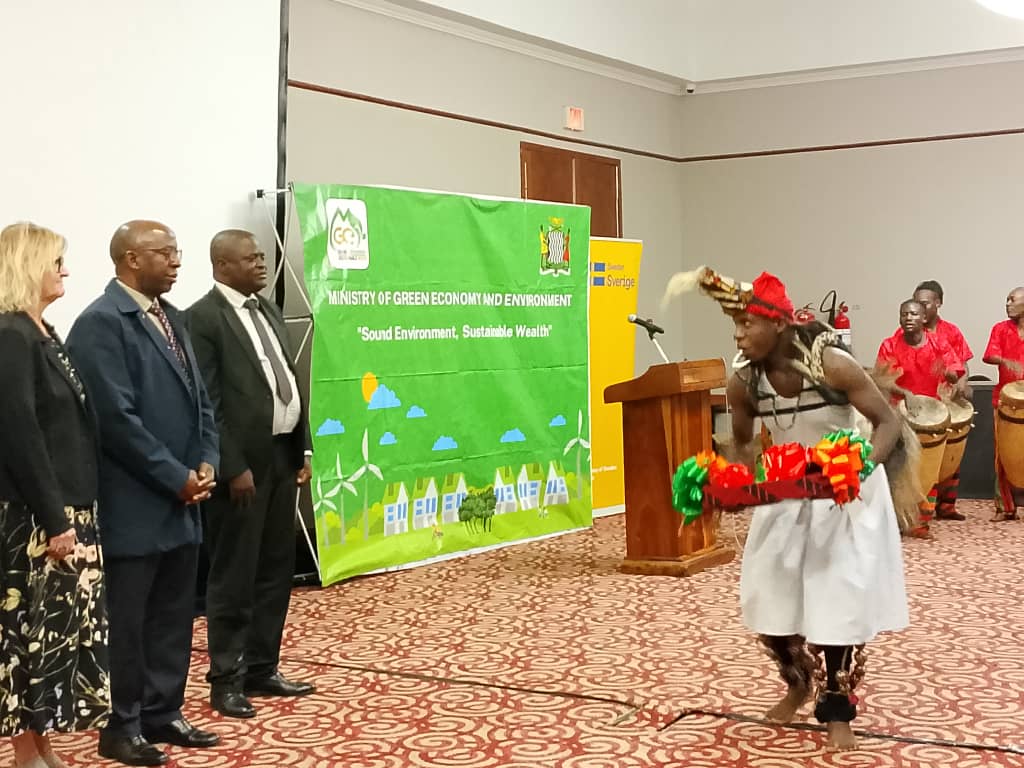
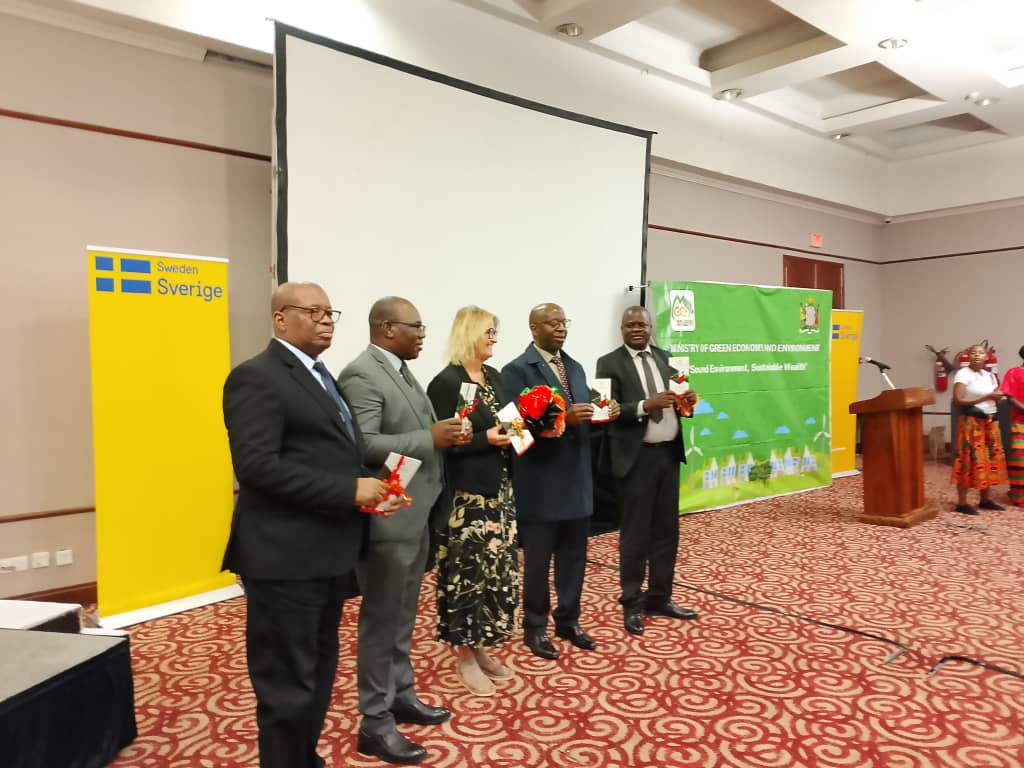
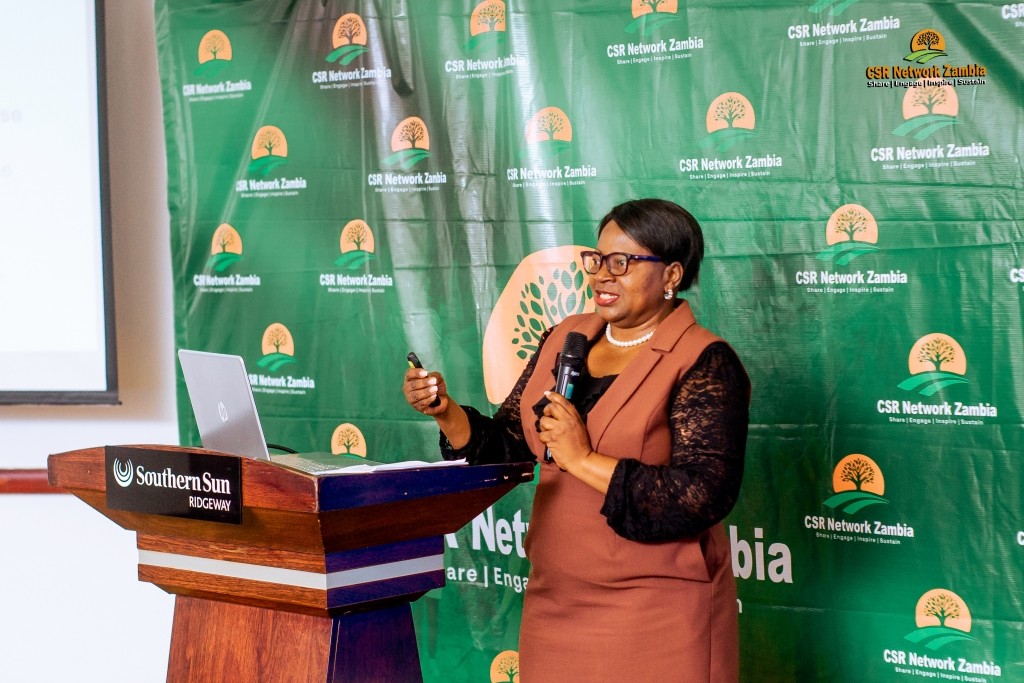
The roundtable, serving as the strategic prelude to the 7th Annual CSR, ESG and Sustainability Conference, was officially opened by Dr. Douty Chibamba, Permanent Secretary of the Ministry of Green Economy and Environment (MGEE) , who delivered a powerful keynote address that set the tone for the day’s deliberations.


Official Opening: A Call to Strategic Leadership

In his address, Dr. Chibamba commended CSR Network Zambia for convening this critical platform for dialogue among corporate leaders.

“The participation of Chief Executive Officers, Directors and other heads of institutions underscores a growing recognition that Environmental, Social and Governance (ESG) is no longer a peripheral issue, but a core strategic imperative for sustainable business and national development.”

He emphasised that the roundtable comes at a critical time when businesses are increasingly called upon not only to generate economic value, but also to demonstrate measurable social impact and environmental stewardship.


The Strategic Role of Corporates in National Development

Dr. Chibamba highlighted the pivotal moment at which Zambia stands in its development trajectory, noting that as the nation pursues economic transformation, industrialisation, and increased investment, growth must not come at the expense of the environment or social cohesion.

“ESG provides a structured and transparent approach for integrating environmental protection, social inclusion, ethical leadership, and accountability into corporate decision-making. It is a practical tool that enables companies to identify and manage risks, improve compliance, attract sustainable finance, and strengthen stakeholder trust.”

He further emphasised that ESG positions Zambian companies competitively within global value chains where investors and markets increasingly demand sustainability performance and climate disclosures.

The Permanent Secretary anchored this call firmly within national policy direction, referencing:

  • The Eighth National Development Plan, which places environmental sustainability and climate resilience at the centre of Zambia’s socio-economic transformation

  • Zambia’s Nationally Determined Contributions under the Paris Agreement, which require strong private sector engagement in renewable energy, energy efficiency, and sustainable land management

  • The National Green Growth Strategy, which provides a roadmap for transitioning to a resource-efficient, climate-resilient economy

“ESG implementation within your institutions directly contributes to realising this strategy by aligning profitability with environmental integrity and social equity.”


Appreciation for Corporate Leadership

Dr. Chibamba expressed profound appreciation for the role Zambian corporates are already playing in advancing sustainable development, acknowledging that the responsibility for sustainable development cannot rest on government alone.

“It requires a shared vision and collective action between the public and private sectors. ESG is the bridge that connects business performance with national development priorities.”

He also extended sincere gratitude to the Government of Sweden, through His Excellency Ambassador Johan Hallenborg, for its collaboration under the Zambia National Extractive Exchange (ZAMNEX) Partnership , demonstrating how international partnerships can support transparency, responsible investment, and sustainable resource governance in Zambia.

“We value Sweden’s continued support in strengthening ESG practices and responsible business conduct in our country.”


Boards: The Key to Unlocking Sustainability Potential

A central theme of the roundtable was the critical role of boards in driving the sustainability agenda. Dr. Chibamba underscored that leaders set the tone at the top:

“When boards prioritise ESG, management follows. When CEOs integrate sustainability into corporate strategy, employees internalise it. When companies operate responsibly, communities prosper and the nation benefits.”

Ms. Claire Limbwambwa, who facilitated the Strategic Plenary on Boardroom Challenges in ESG Adoption, led participants in a candid, closed-door discussion on the friction between short-term profitability and long-term sustainability. The session explored the real-world challenges Zambian boards face, including:

  • Misaligned board composition that lacks sustainability expertise

  • Inadequate training of board members on emerging ESG issues and the strategic components of CSR

  • Hindering dynamics within boards that prevent meaningful integration of sustainability into governance structures

  • The need to move beyond viewing ESG as a compliance exercise to embracing it as a driver of business viability and risk management

Mr. Trevor Hambayi, who facilitated the Formulation Session: Defining the ‘Responsible Business’ Standard for Zambia, guided participants through group work designed to provide executive input on the practical application of a responsible business in Zambia. The session grappled with the unique dynamics of defining responsible business within the Zambian socio-economic context—bridging global standards with local, community-centered traditions.

Participants explored what constitutes a “Responsible Business” in Zambia, considering:

  • The balance between international ESG frameworks and local cultural values

  • Community-centered approaches to stakeholder engagement

  • The integration of traditional leadership structures into modern governance practices

  • Practical pathways for embedding sustainability into core business strategy

The sessions underscored that while Zambian boards face significant challenges, they also hold the key to unlocking long-term value through strategic ESG integration.


CSR Network Zambia: Sustaining the Conversation at the Highest Level

Reflecting on the day’s outcomes, Lee Muzala, Executive Director of CSR Network Zambia, emphasised the need for such conversations to be held regularly and at the highest levels of corporate leadership.

“What we witnessed today is a recognition that sustainability cannot be delegated to peripheral departments. It must be owned in the boardroom. The candid exchanges, the honest acknowledgment of challenges, and the collective commitment to shaping a Zambian standard for responsible business—these are the foundations upon which we will build a resilient, inclusive, and prosperous economy.”

He reaffirmed CSRNZ’s commitment to creating platforms for peer learning, capacity building, and strategic dialogue, ensuring that Zambian leaders are equipped to navigate the evolving ESG landscape with confidence and integrity.

“This roundtable is not a once-off event. It is the beginning of an ongoing conversation at the highest level. We will continue to convene, to challenge, and to support our corporate leaders as they lead the charge toward a sustainable and prosperous Zambia.”


Looking Ahead

CSR Network Zambia is pleased to announce that the Directors’ CSR & ESG Roundtable will now be convened as an annual event on the corporate calendar. This decision stems from the recognition that sustainability cannot be driven from operational levels alone—it requires sustained, high-level engagement where those who set strategic direction can candidly explore emerging challenges, share innovative solutions, and hold themselves collectively accountable. By bringing together CEOs, Board Directors, and senior executives every year, CSRNZ aims to create a continuous platform for peer learning, governance excellence, and strategic alignment with both national priorities and global ESG standards. This annual convening ensures that Zambia’s corporate leadership remains at the forefront of responsible business practice, driving impact not as a one-time commitment, but as an enduring legacy.


CSR Network Zambia | Share | Engage | Inspire | Sustain

CSR Network Zambia and Kafue Gorge Regional Training Centre Formalise Strategic Partnership

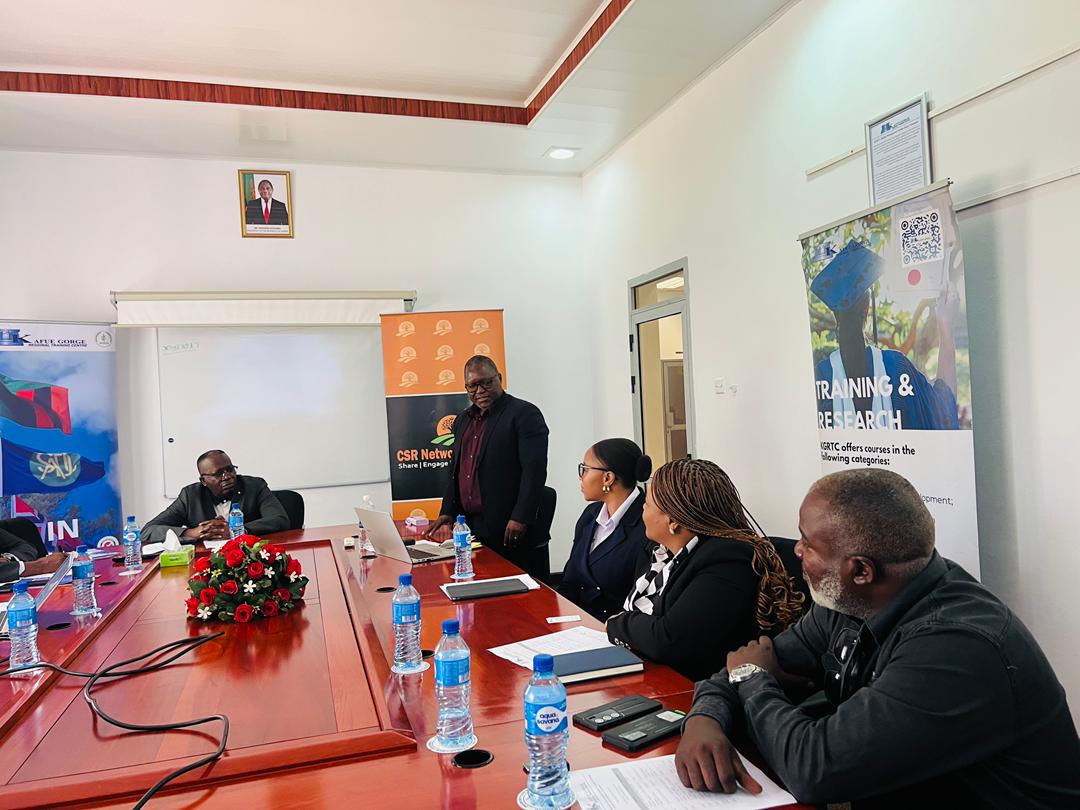
CSR Network Zambia (CSRNZ) has signed a Memorandum of Understanding (MOU) with Kafue Gorge Regional Training Centre (KGRTC), formalising a strategic partnership aimed at strengthening capacity building, professional training, and sustainability leadership in Zambia and the wider region.

The collaboration brings together CSRNZ’s expertise in Corporate Social Responsibility (CSR), Environmental, Social and Governance (ESG), and sustainability advocacy with KGRTC’s position as a SADC Centre of Excellence in energy and technical training.

The MOU establishes a framework for joint training programmes and structured knowledge exchange, with a focus on developing practical, market-ready solutions for corporates, institutions, and professionals. By leveraging complementary strengths, the partnership seeks to deliver both short-term impact through targeted programmes and long-term value through structured collaboration.

Speaking on the partnership, both institutions underscored the importance of moving beyond symbolic cooperation toward initiatives that are measurable, scalable and aligned with national and regional development priorities.

This partnership reflects a shared commitment to building credible sustainability capacity and positioning Zambia as a hub for high-quality professional and technical training in Africa.

CSR Network Zambia and Z’Kidpreneur Academy Forge Strategic Alliance to Cultivate Zambia’s Future Sustainability Leaders

LUSAKA, ZAMBIA – In a move that redefines the trajectory of corporate responsibility in the region, CSR Network Zambia (CSRNZ) has officially signed a Memorandum of Understanding (MoU) with Z’Kidpreneur Academy. This partnership marks the birth of the Eco-Fusion Project, a pioneering initiative designed to anchor sustainability and environmental innovation in the hearts and minds of Zambia’s youngest citizens.

The core of this partnership is the recognition that the transition to a Green Economy cannot be achieved through adult-led policy alone. By focusing on children aged 8–18, Eco-Fusion addresses environmental challenges—particularly waste management—at their educational roots.

Engaging children is not merely a social gesture; it is a strategic necessity for the following reasons:

  • Systemic Behavioral Change – Early engagement promotes a generation of “Sustainability Natives” who view environmental stewardship as a fundamental lifestyle, rather than a forced compliance.
  • Innovation Catalysts – Through “Challenge Workshops” and interactive learning, children are empowered to design localized solutions for climate and waste challenges, serving as active problem-solvers for their communities.
  • Institutional Legacy – Participating organizations are not just funding an event; they are building long-term capability and credibility before sustainability challenges become externally imposed regulatory obligations.

“Sustainability and waste management are no longer future considerations; they are immediate operational and reputational priorities,” says Lee Muzala, Executive Director of CSR Network Zambia. “This partnership reflects a deliberate shift toward proactive leadership. We are involving experts to translate abstract concepts into measurable outcomes that begin in the classroom and end in the boardroom.”

Chimfwembe Mulenga, Executive Director of Z’Kidpreneur Academy, echoed this sentiment, adding: “We’re excited to partner with CSR Network Zambia on the Eco-Fusion Project. At Z’Kidpreneur Academy, we’re passionate about empowering Zambia’s children with the skills and mindset to drive positive change. This partnership aligns perfectly with our mission to cultivate a generation of young leaders who can tackle pressing environmental challenges.

By joining forces with CSR Network Zambia, we’re taking a significant step towards integrating sustainability and entrepreneurship into the fabric of our education system. The Eco-Fusion Project will not only inspire young minds but also equip them with the tools to design innovative solutions for a greener future.”

Eco-Fusion is envisioned as a high-impact, one-day engagement featuring innovation challenges, panel discussions, and solution design. By integrating sustainability with entrepreneurship, the partnership aims to demonstrate that environmental stewardship, when approached strategically, generates tangible value for children, institutions, and the broader Zambian economy.

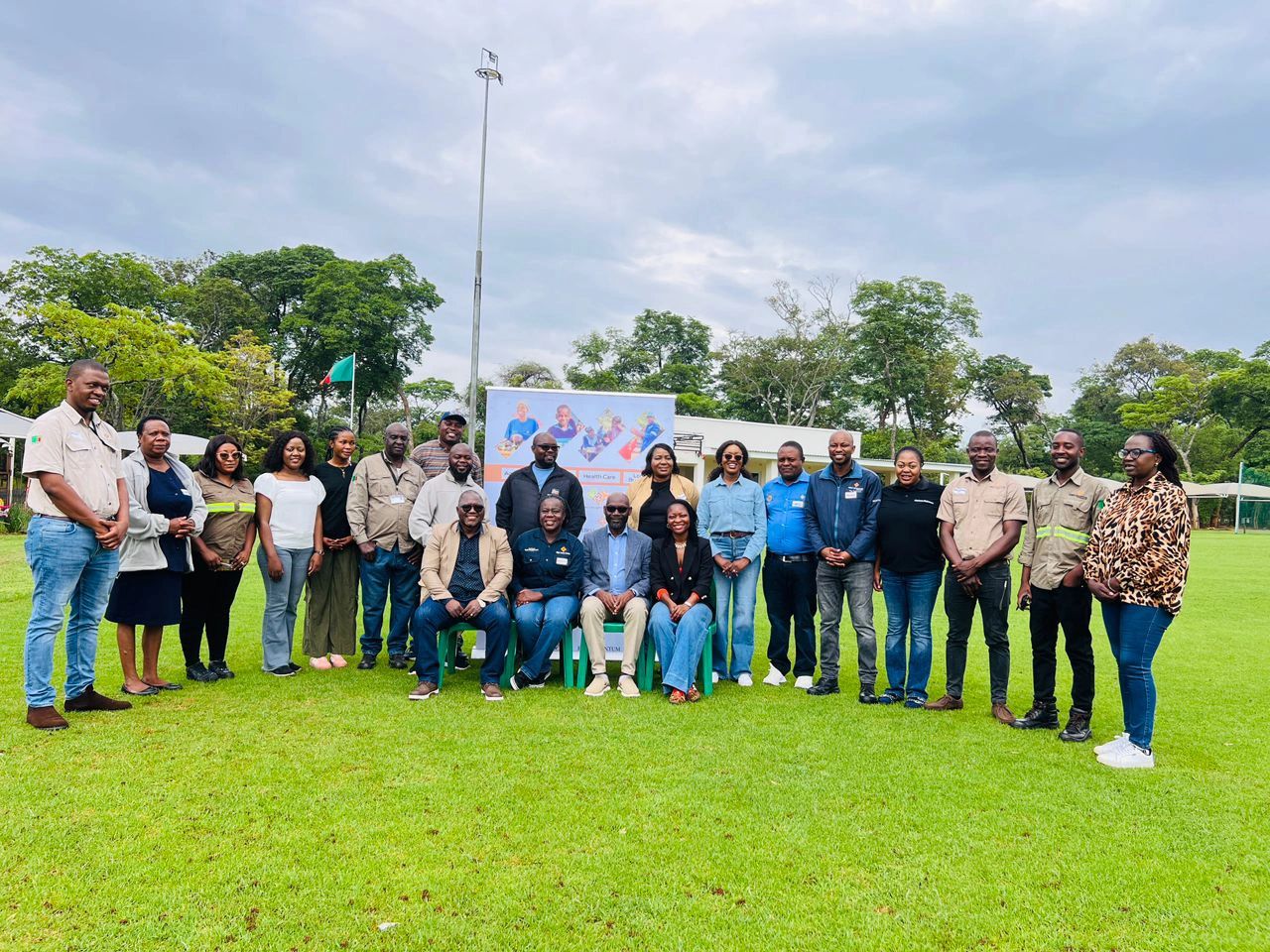
Day 1: Igniting Strategic Impact with Kansanshi Community Centre

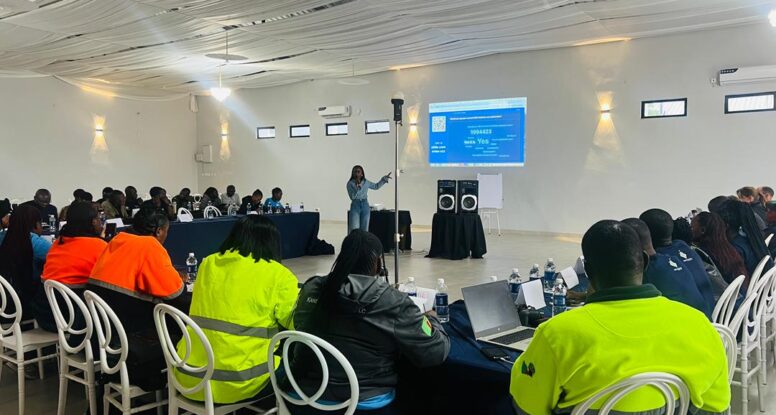
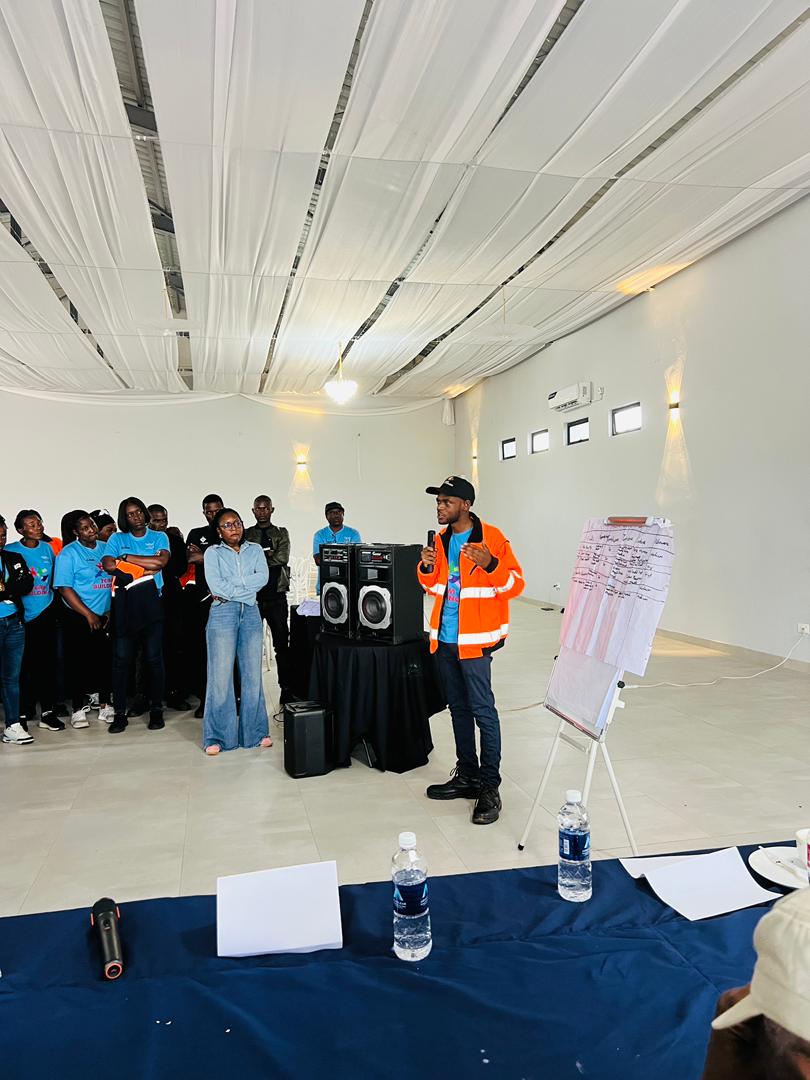
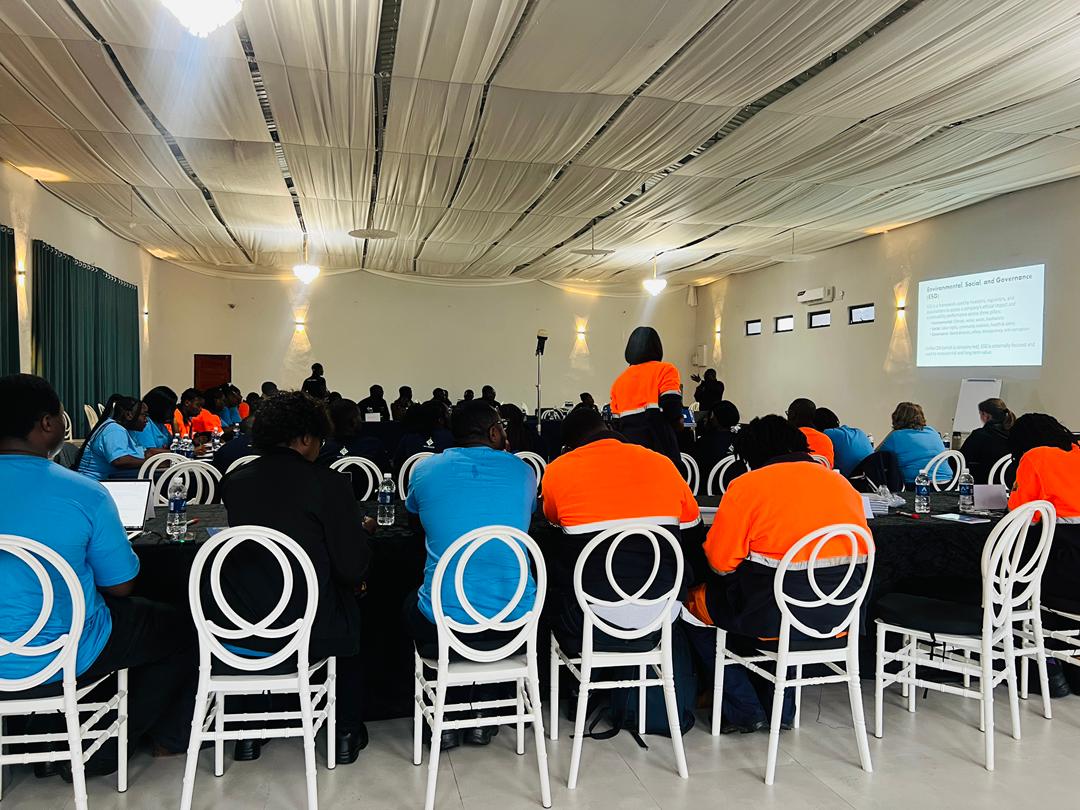
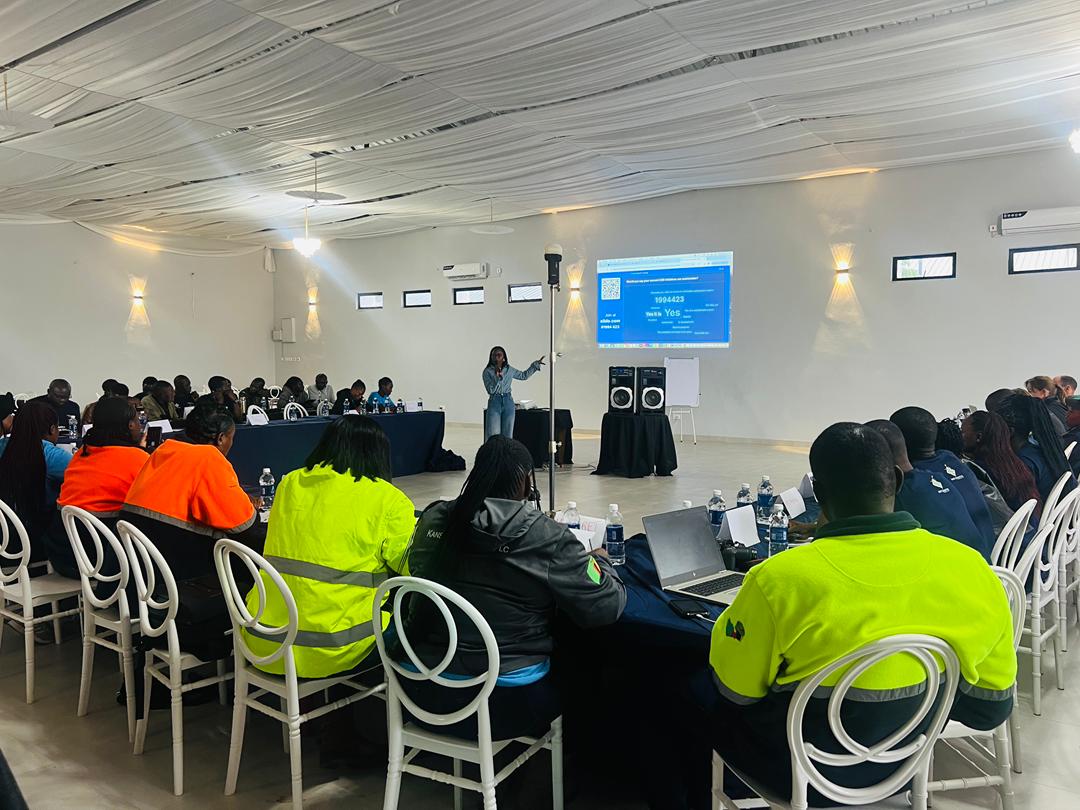
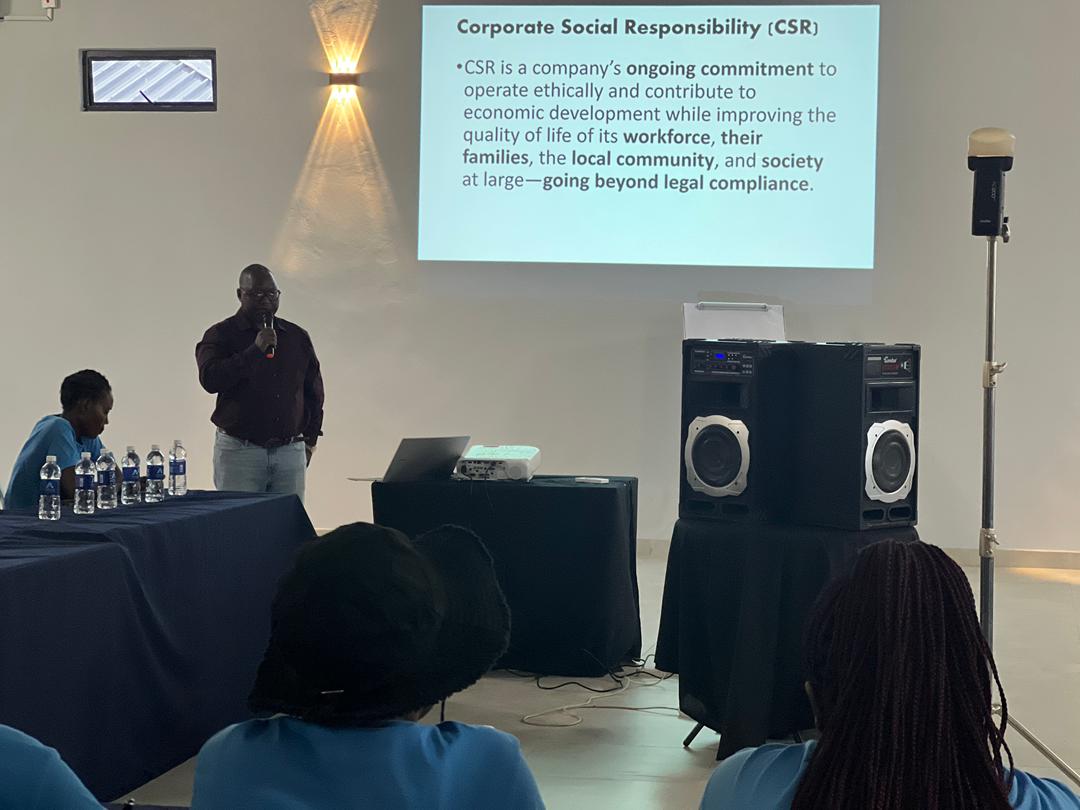
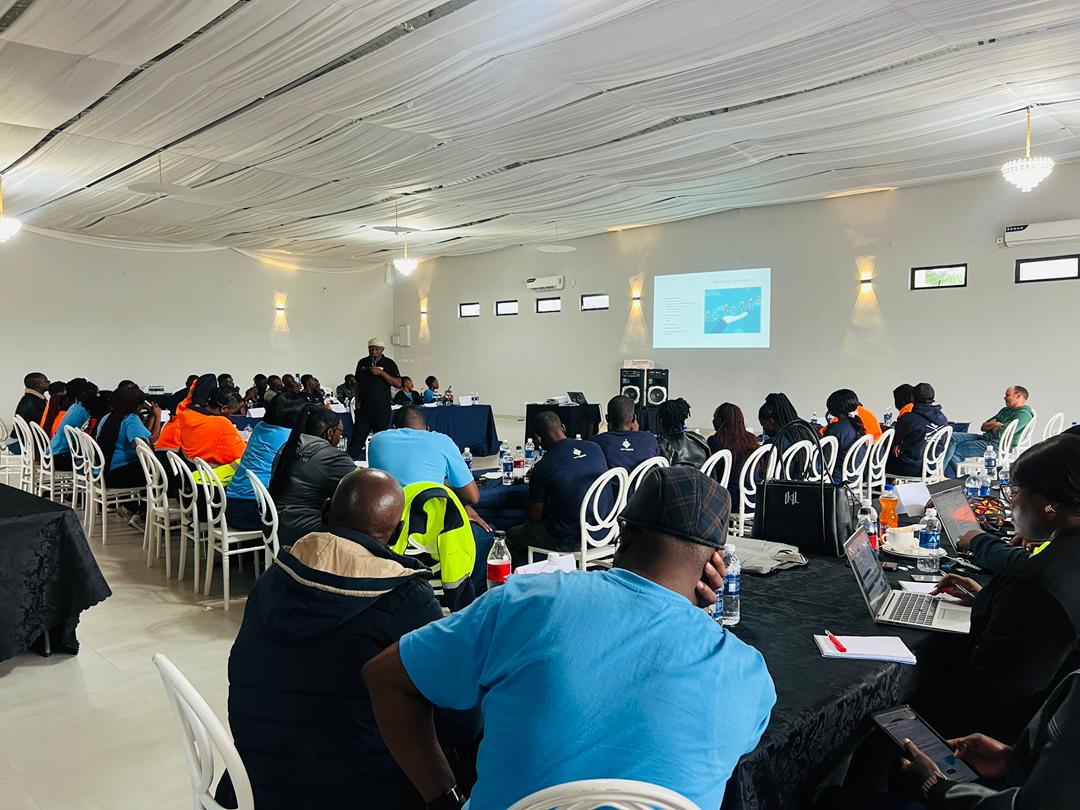
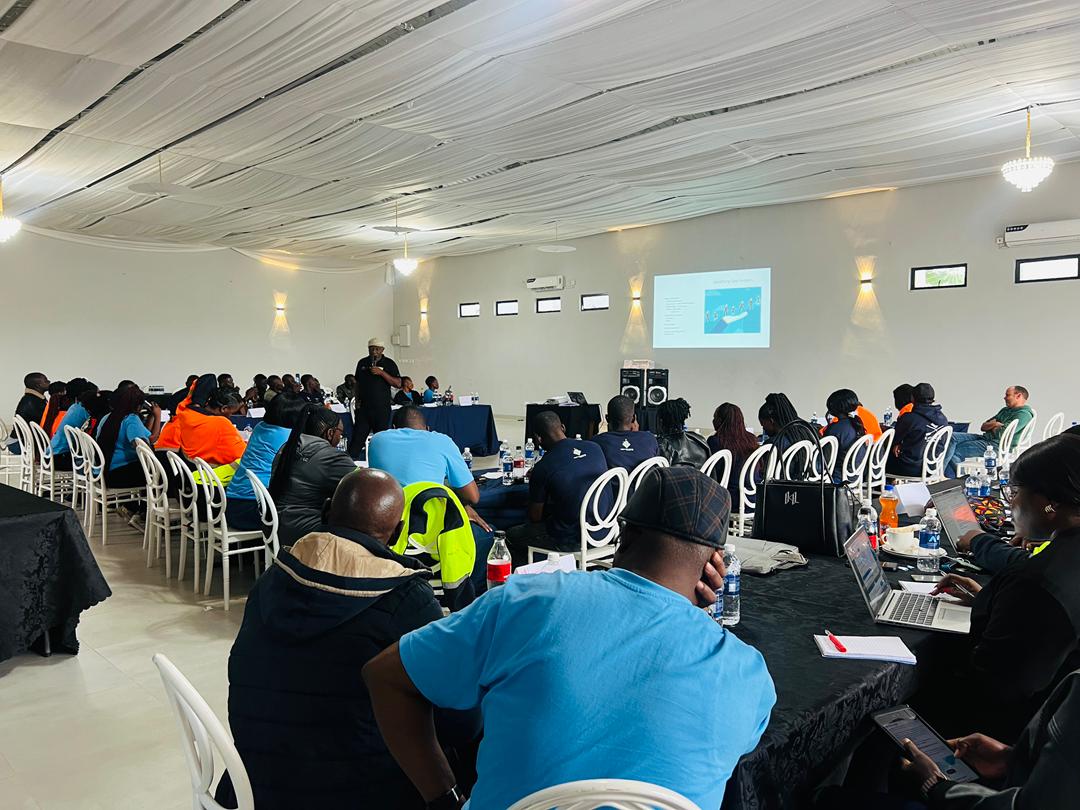
03 December 2025 – What a powerful start to our Strategic CSR, Measurable Impact, and Team Building workshop with the incredible team at Kansanshi Community Centre (KCC), the community investment arm of Kansanshi Mining Plc in Solwezi!
The day’s sessions marked a meaningful shift from doing good to driving strategic, sustainable impact. The KCC team engaged deeply in discussions that moved beyond traditional community support, focusing instead on aligning projects with global sustainability goals and strengthening trust within the communities they serve.
Through interactive clinics and hands-on exercises, participants explored how to embed purpose into every initiative—mapping current projects to the UN Sustainable Development Goals (SDGs) and mastering stakeholder engagement strategies tailored for North-Western Province.
The energy in the room was truly inspiring. It’s clear that KCC is not just participating in CSR—they are leading with intention and building a lasting legacy in Solwezi and beyond.
We’re excited to continue this journey tomorrow as we dive into Measuring & Communicating Impact with Integrity.
Here’s to building impact that matters, together.

DAY 2 – FQM Trident CSR Workshop – Sharpening Strategy for Authentic, Measurable Change.

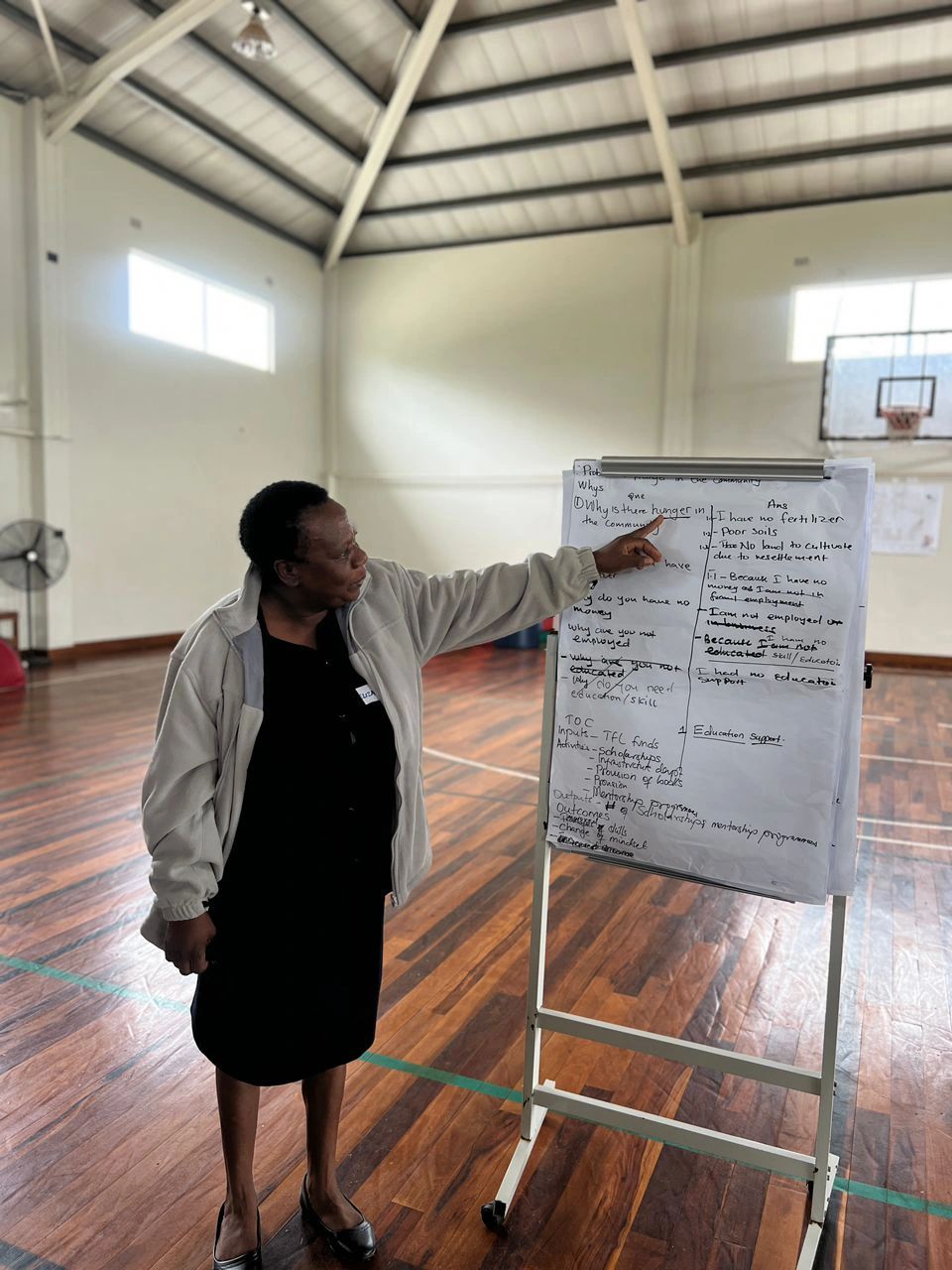
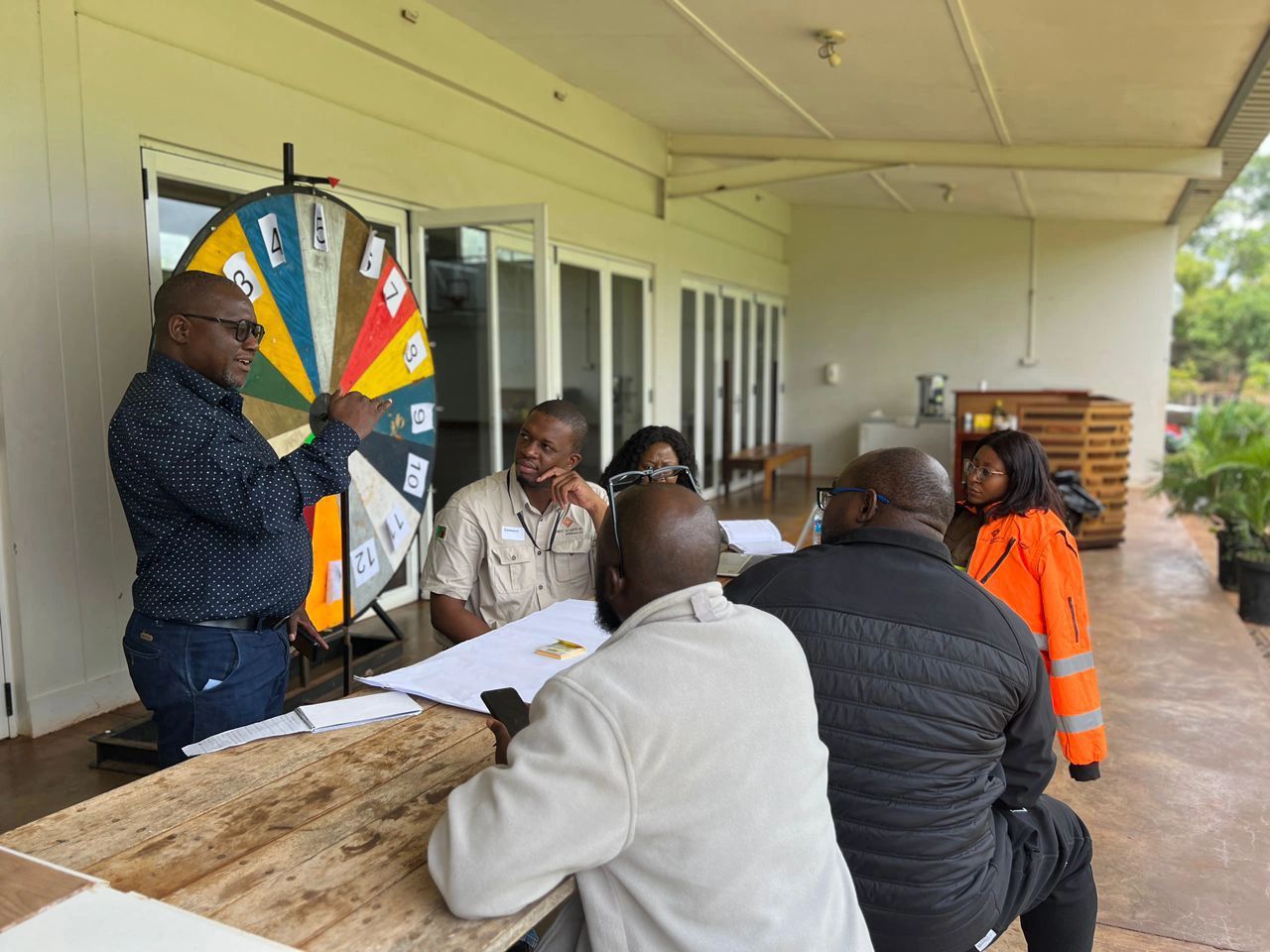
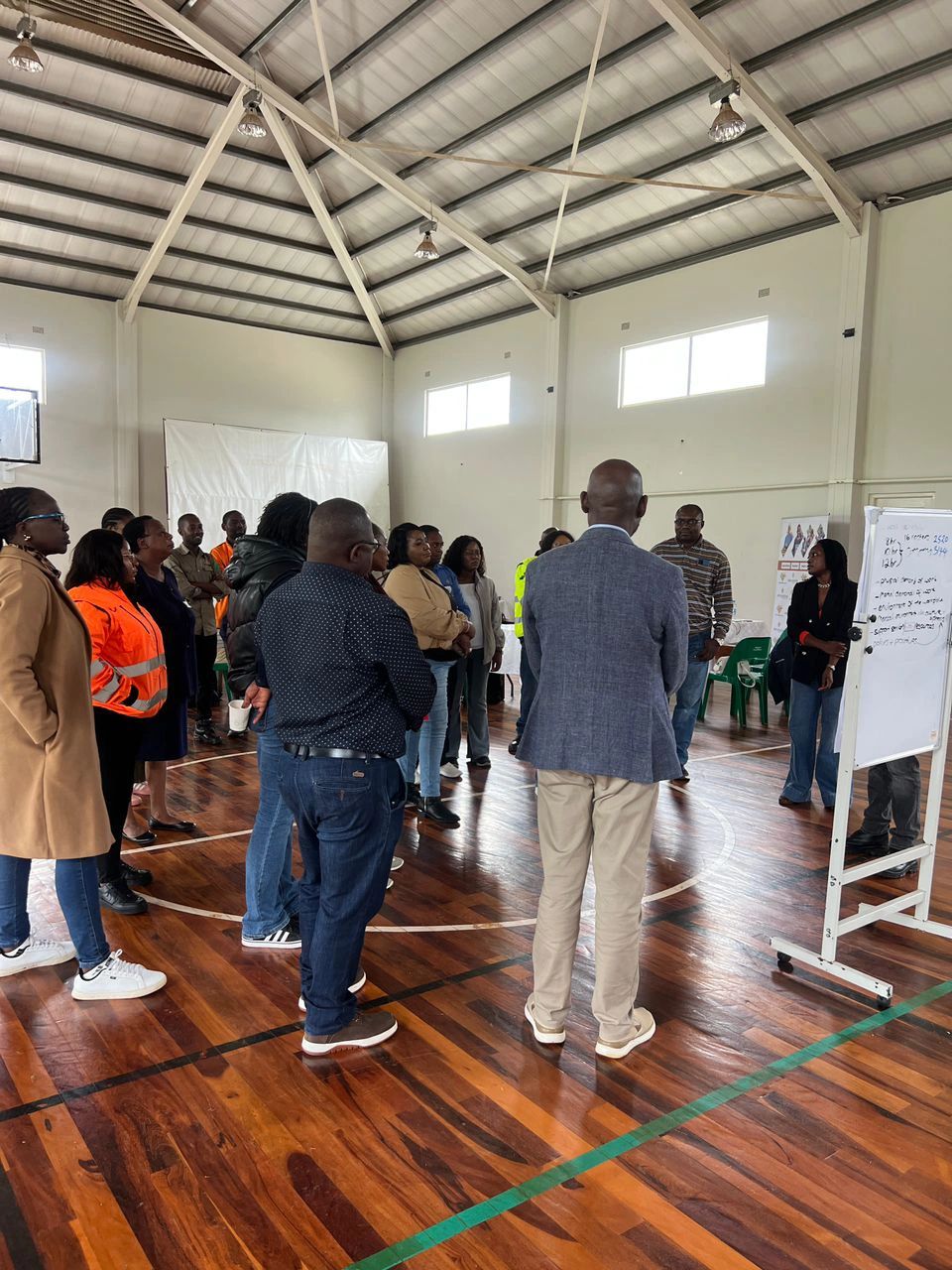
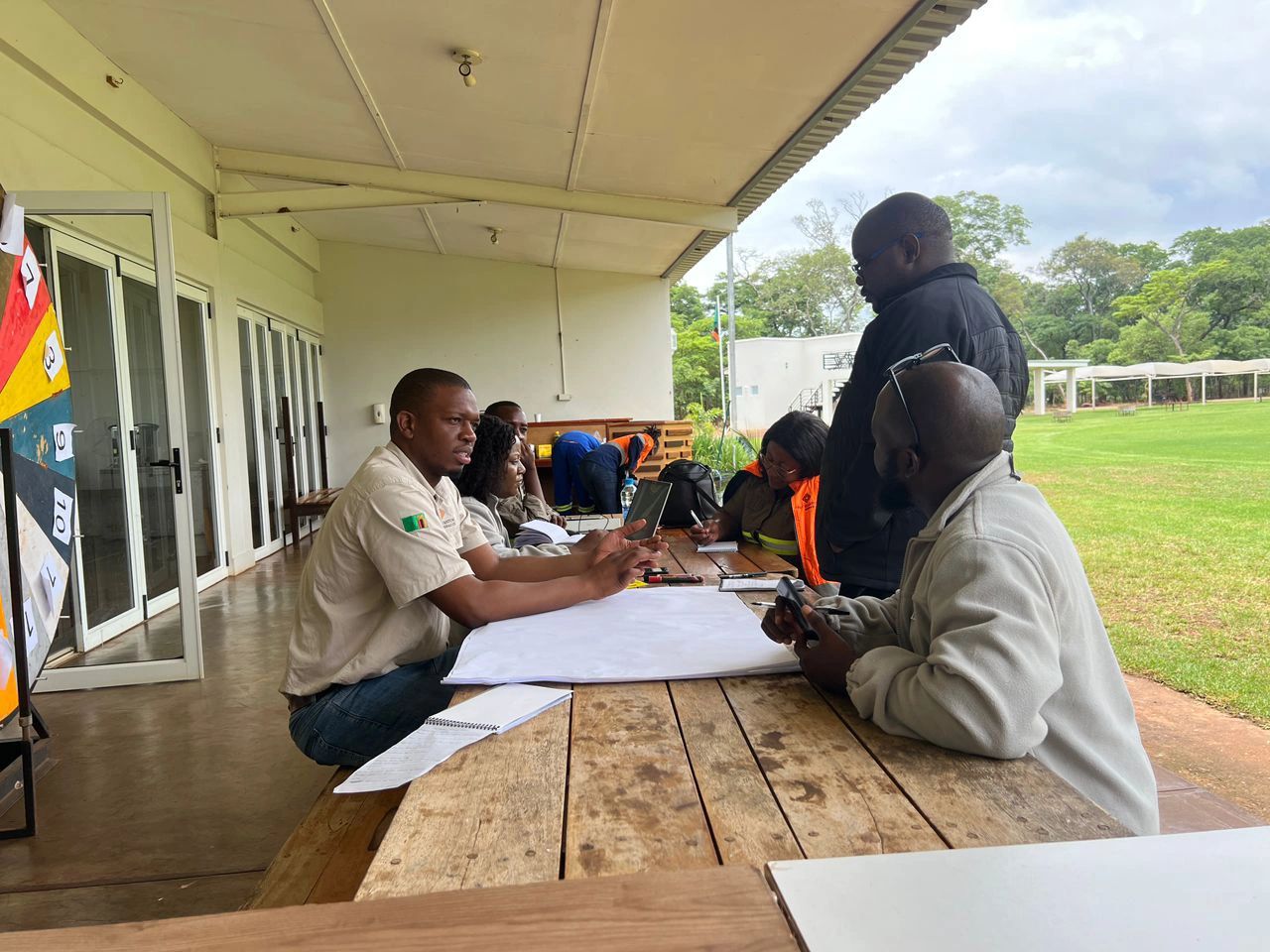
​[Kalumbila, Zambia] – Day Two (14 November 2025) of the intensive workshop, “Impact-driven and Measurable CSR: From Conception to Measurable Impact,” successfully concluded today, cementing the tools and frameworks needed for the FQM Trident Corporate Social Investment (CSI) Team to execute world-class, accountable initiatives.

​Hosted by CSR Network Zambia in partnership with Impact Visible, the session moved from foundational mindsets to advanced strategic planning and transparency.

​The focus of Day 2 was on equipping the team with methodologies to clearly articulate their impact pathway and ensure genuine accountability. Key sessions covered:

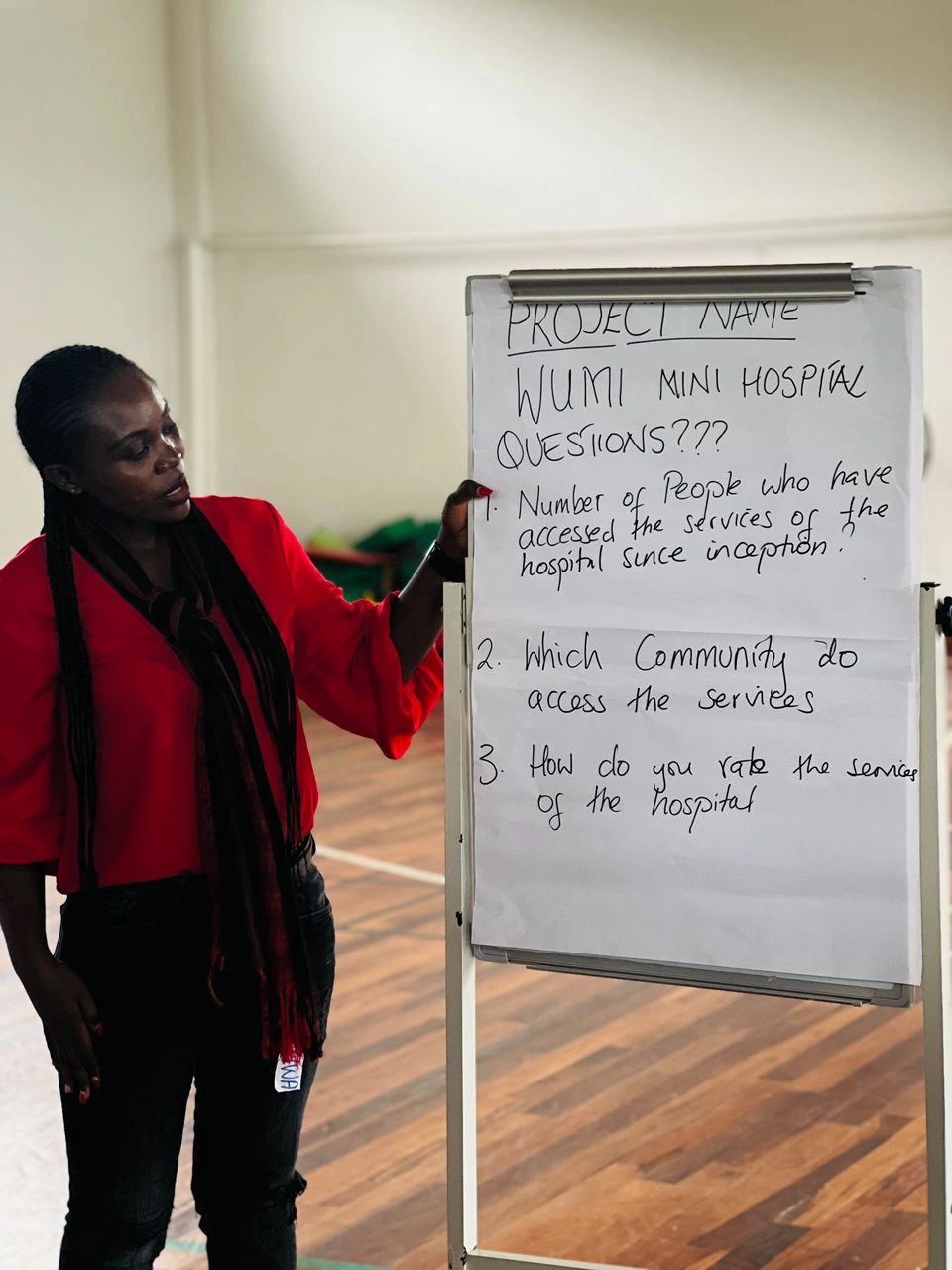
  • Theory of Change (ToC): Participants mastered how to map their CSI programs, establishing a clear, logical causal chain from Inputs -> Activities -> Outcomes -> Impact. This critical framework ensures every action is tied to a verifiable long-term goal.
  • 5 Dimensions of Impact: The team adopted this comprehensive framework to holistically assess impact by asking the essential questions: What outcome is occurring, Who is experiencing it, How Much change is being created, the company’s Contribution, and the associated Risk.
  • ​Listening to Know What Works: A deep dive into authentic stakeholder engagement and needs analysis emphasized the importance of listening not just to confirm, but to know community priorities and co-design effective, locally relevant solutions.
    – ​Transparent Reporting: The final session provided practical guidance on reporting CSR with honesty and integrity, focusing on how to communicate results transparently while actively avoiding greenwashing—a commitment to truthful data and authentic progress.

​The two-day workshop has empowered the FQM Trident CSI team to redefine success, moving from outputs and activities to verifiable, sustainable community and business value.

DAY 1 – FQM Trident CSR Workshop – Impact-Driven and Measurable CSR: From Conception to Measurable Impact.

[Kalumbila, Zambia] – The first day (13 November 2025) of the 2-day workshop, “Impact-driven and Measurable CSR: From Conception to Measurable Impact,” concluded with a powerful sense of energy and purpose. Hosted by CSR Network Zambia in partnership with Impact Visible for the FQM Trident CSI Team, the session laid a crucial foundation for redefining corporate social investment.

The day was dedicated to shifting mindsets and building a robust framework for creating lasting, measurable value for both the community and the business.

wpChatIcon
wpChatIcon